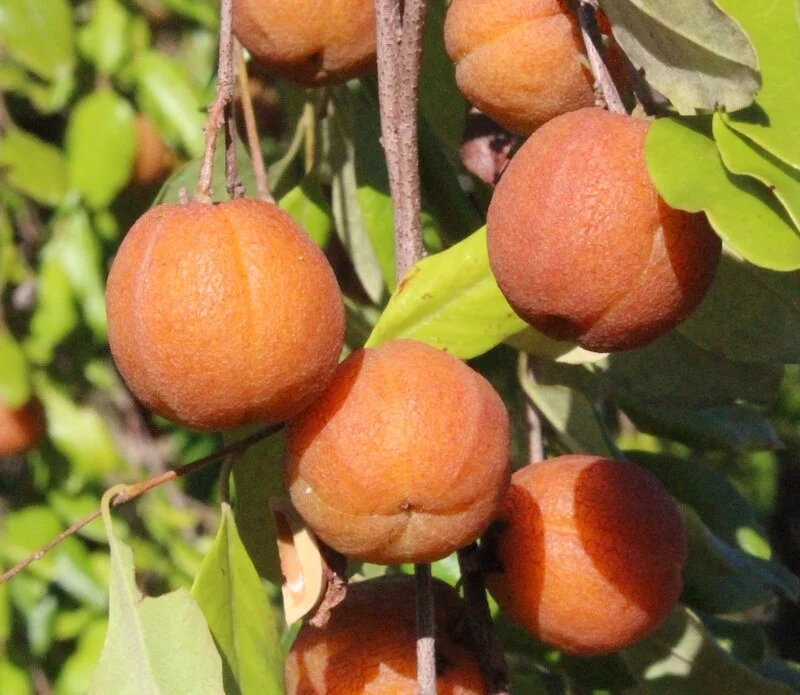
Small hardy evergreen understory tree with dense foliage and bright orange fruits. Useful for infilling, revegetation, screening and windbreaks on rural properties. 3-6M
Read MorePhaleria macrocarpa→
/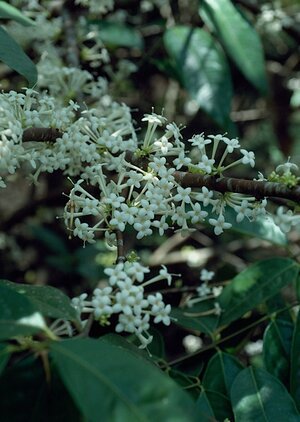
Spectacular, compact and rare endemic tree known only from Eastern Arnhem Land in the NT. Glossy, evergreen foliage and magical blooms of white flowers from trunk and branches with glorious pineapple scent. Highly sought after shade tolerant understory planting. 4-8M
Read MorePittosporum moluccanum→
/
Small decorative & ornamental understory tree. Useful for screening and filling in parks, gardens and residential properties. Dense shiny foliage and masses of white perfumed flowers with black seeds in orange fruit. An important host plant for the endangered Atlas Moth. Tolerates part shade. 3-6m
Read MorePlanchonella arnhemica→
/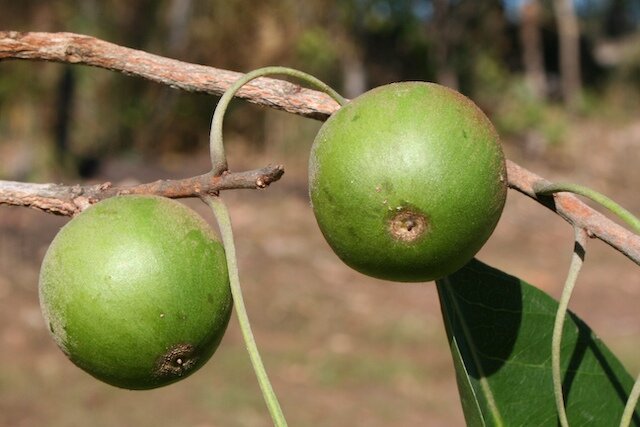
Semi-deciduous understory tree found in dry open forest, woodland and occasionally closer to freshwater. Smooth fleshy green or black globular edible berry eaten ripe or roasted. Small creamy white flowers. Corky greyish brown bark. An excellent bush tucker planting for suburban and rural properties, provided ample moisture. 8-10M
Read MorePlanchonia careya→
/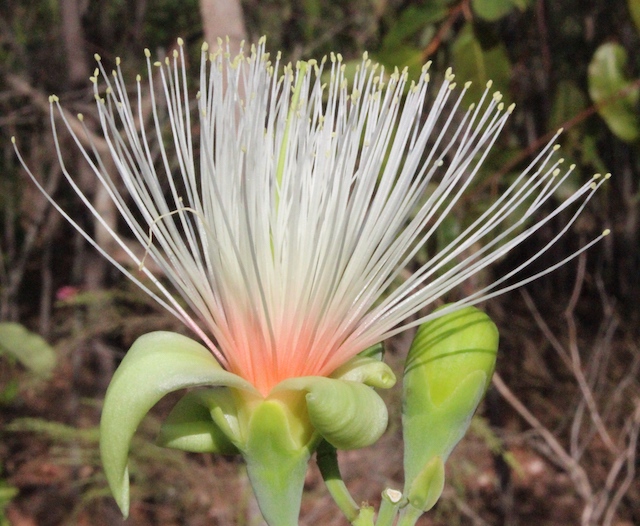
Small deciduous woodland tree with beautiful large pink and white flower blooms, often found scattered below. Outer fleshy fruit edible and important medicinal plant with antibacterial qualities. Excellent revegetation and rural garden planting. 5-10M
Read MorePodocarpus grayae→
/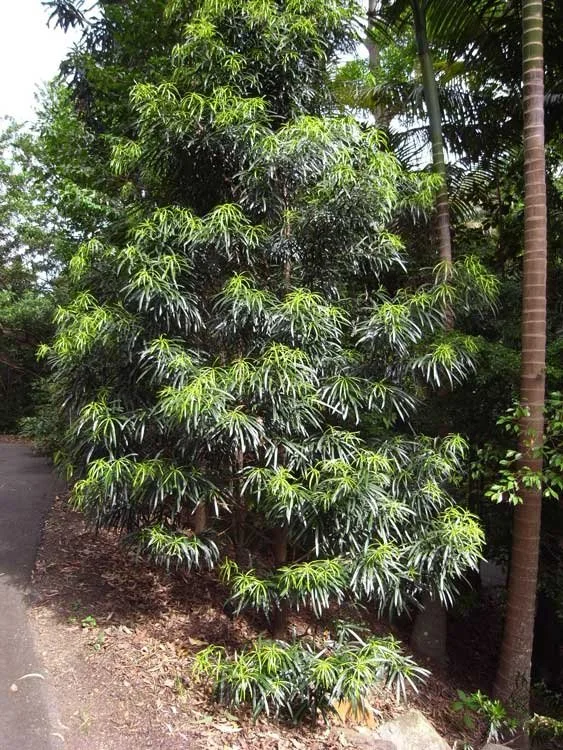
Handsome large & compact native weeping pine. Near threatened species from monsoon vine forests of the western Arnhem Land escarpment, endemic to Northern Australia. Very attractive feature screening tree with slender strappy dense evergreen foliage and striking blue seeds on red edible fruits. 10-12M
Read MorePolyalthia australis→
/
Stunning medium sized feature and accent tree, with dense dark green weeping leaves and attractive rounded form. Yellow-green flowers, orange fruit. Host plant for the pale green triangle Butterfly, Graphium eurypylus. Requires moist habitat and tolerates part shade. 3-10M
Read MorePolyalthia longifolia→
/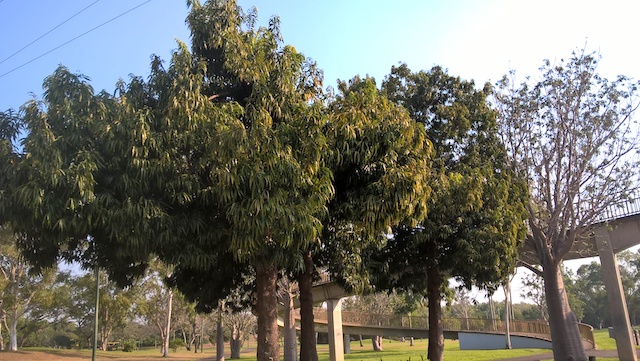
Related to Indian Mast Tree but with more rounded form and wider traditional rounded tree canopy. Slender wavy dark green glossy foliage, excellent dense shade. Stunning medium sized feature and accent tree. 5-15M
Read MorePremna acuminata→
/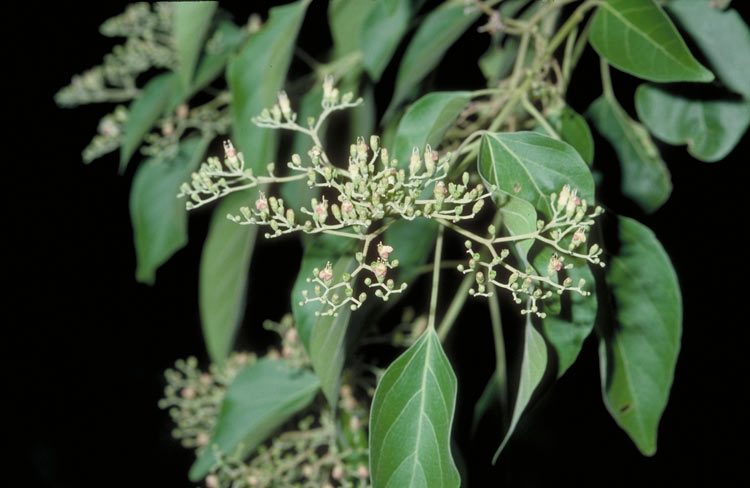
Large spreading shrub to small tree with fine hairy leaves and huge clusters of cream white flowers presenting in a large horizontal platter, culminating in black berries. An extremely effective bird attractant. Tolerates part shade. Fast growing. Wood favoured for fire sticks. 2-3M
Read MorePtychosperma macarthurii →
/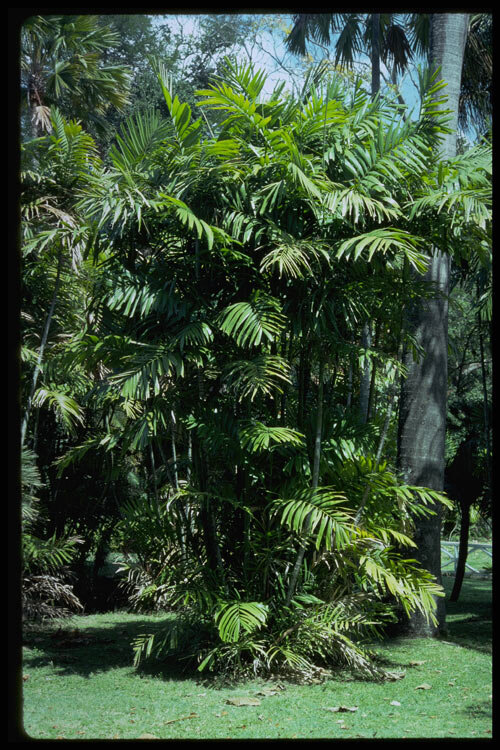
Multi-stemmed clumping palm, common in Top End Gardens. Occurs in dense rainforests but will grow in a wide range of light conditions. Tidy tropical specimen for garden screening. 6-8M
Read MoreSterculia holtzei→
/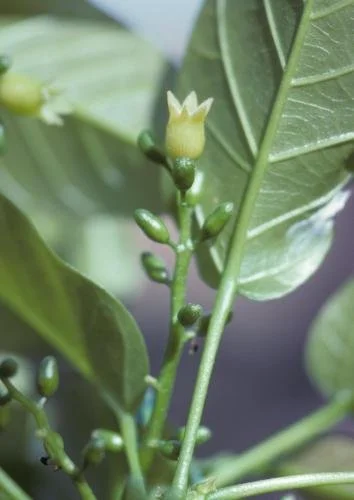
Handsome large semi-deciduous monsoon forest feature tree. Endemic to the Top End with broad dark green foliage, bright green seed pods & black seeds. Elegant canopy shade tree with straight, commonly buttressed trunk. Useful ornamental, filling and screening tree. Very hardy, bird attractant, cyclone resistant. 10-15M
Read MoreSterculia quadrifida→
/
Handsome medium sized screening & feature tree with dazzling bright red seed pods containing edible black seeds which taste like raw peanuts. Useful ornamental, filling and screening tree. Very hardy, bird attractant, cyclone resistant. 5-15M
Read MoreSyzygium armstrongii→
/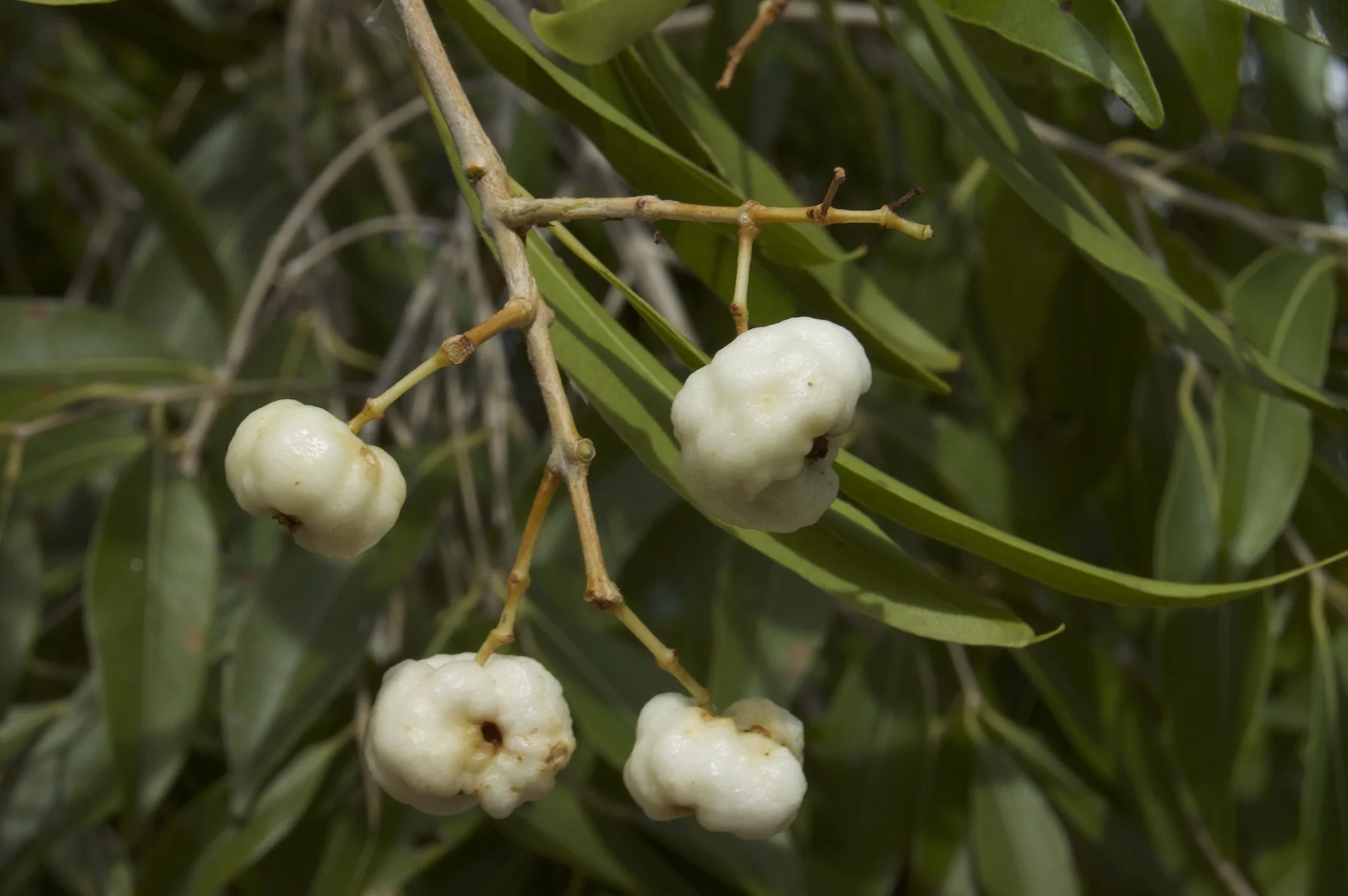
Attractive medium sized evergreen tree with cream bark, dense shiny foliage, masses of white flowers and small white edible fruits. Very common shade tree for Darwin streetscapes, urban and rural plantings for its neat form, fast growth, cyclone stability and attraction to birds, bees & butterflies. 6-10M
Read MoreSyzygium hemilamprum→
/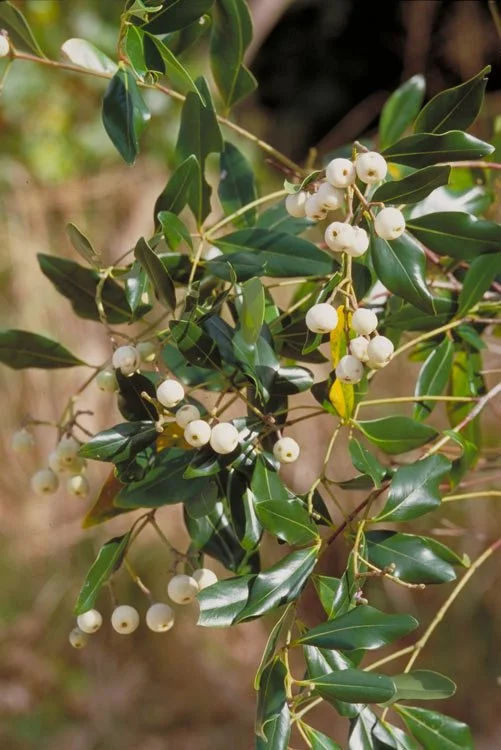
Rare & near threatened evergreen bush apple shade tree from Croker, Melville and Bathurst islands. Flaky reddish-brown bark, buttressed roots and clustered small white flowers attractive to birds & bees. Succulent globular white edible fruit. Commonly found in permanently wet rainforests and nearby spring-fed streams. 15-25M.
Read MoreSyzygium forte→
/
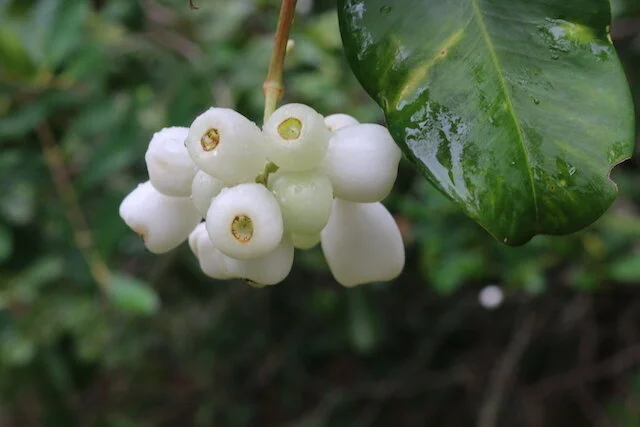
Beautiful large shade tree with rich red-brown bark, dark green foliage and masses of showy white flowers, which are attractive to birds & bees. Large edible white fruit. Popular cyclone & termite resistant park, streetscape and rural planting. 12-18M
Read MoreSyzygium minutuliflorum→
/
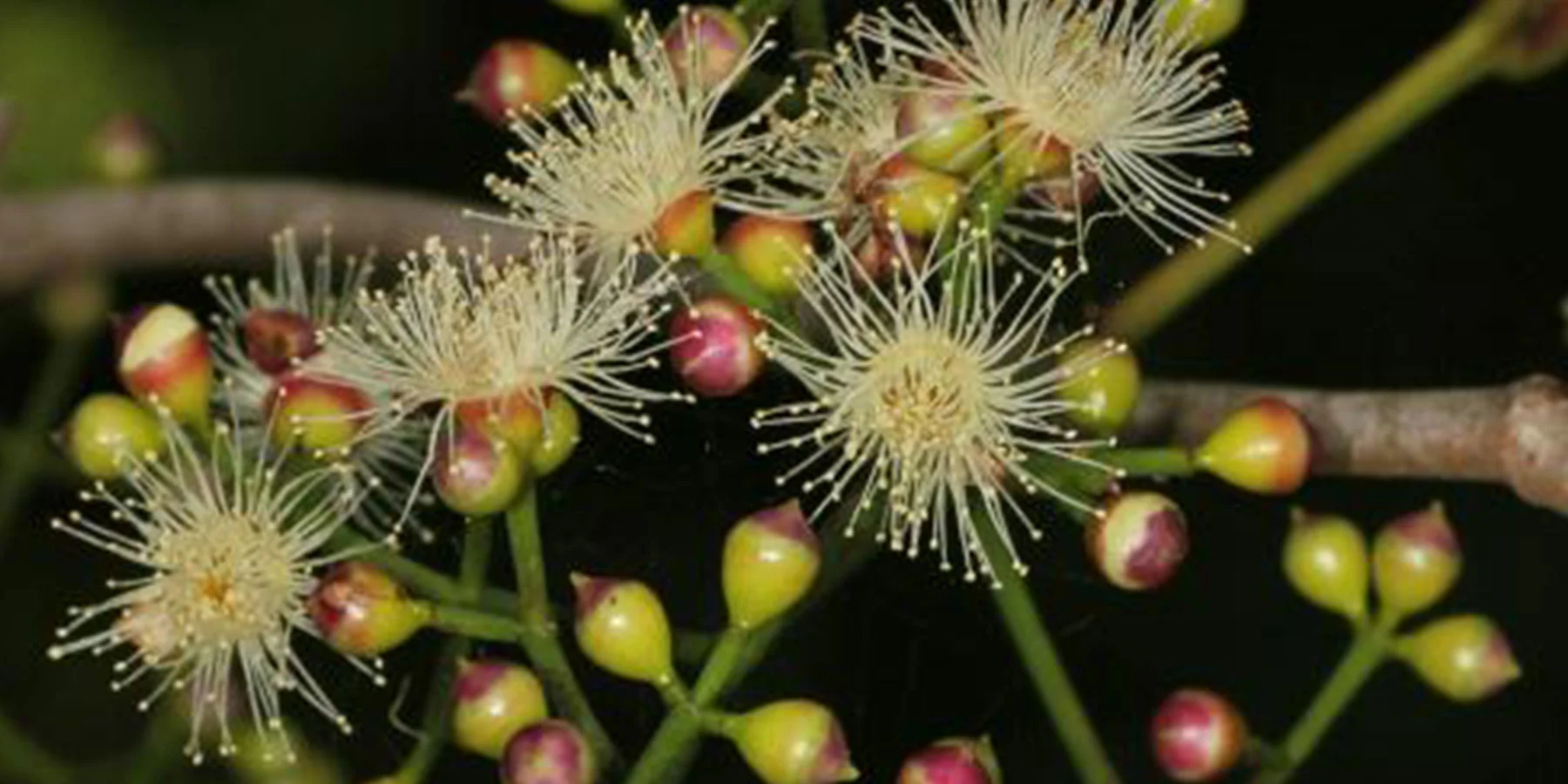
Handsome large monsoon forest shade tree. Endemic to the Top End, from Melville Is. to Gove. Dense dark green leathery foliage providing ample shade. Small white pear shaped edible fruits and attractive buttressed roots. Found in rainforests on near permanent water. Requires moisture and tolerates periodic inundation. 15-20M
Read MoreSyzygium nervosum→
/
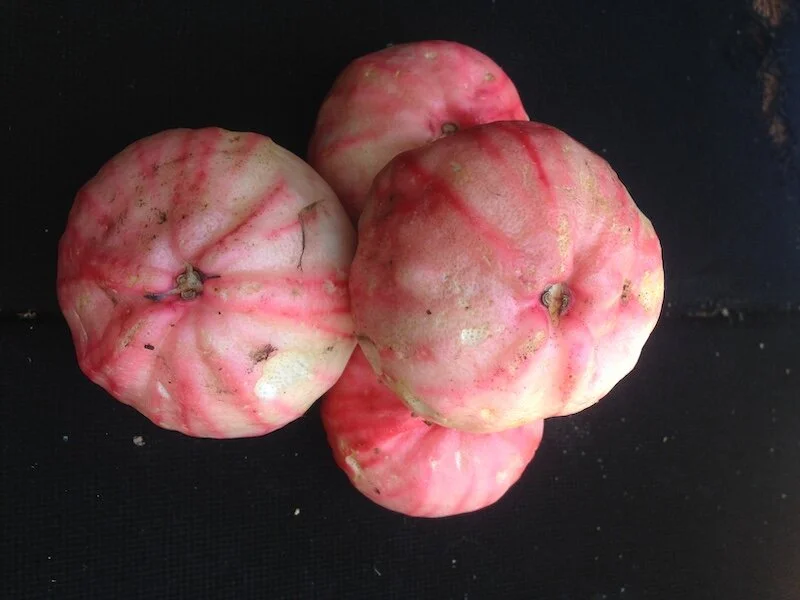
Large feature shade tree with attractive shiny leaves and buttress roots. Bursts of white flowers which are attractive to birds & bees, with purple edible fruit. Crushed leaves have pleasant fragrance. 15-20M
Read MoreSyzygium suborbiculare Pink→
/
Handsome evergreen medium shade tree with bursts of large white flowers. Sweet apple like fruit eaten when pink and ripe. Very tasty compared to other Bush Apples, Pinyama is one of the most highly regarded Tiwi bush tucker foods. 10-12M
Read MoreSyzygium suborbiculare Red→
/
Darwin's iconic red bush apple tree. Handsome & hardy medium sized shade tree with large glossy leaves & white flowers. Very large edible red apple like fruit eaten raw, used for jams, flavourings and in Gin. 8-10M
Read MoreTamarindus indica→
/
Large evergreen shade and specimen tree, dense green grey foliage, tangy edible fruit eaten raw or used in cooking. Useful for shade, parks and rural properties. Very common & hardy Darwin streetscape planting. 10-15M
Read More